
If you have been exploring collagen supplements recently, you have likely encountered terms such as marine collagen and fish scale collagen. These terms are often used interchangeably, which naturally causes confusion among consumers who wonder whether they refer to the same ingredient or if one offers greater benefits than the other.
The confusion is understandable because some products emphasise their marine origin, while others specifically highlight fish scales as the source. Whether you are considering supplements, beverages, or a convenient fish scale collagen jelly, understanding the distinction can help you make a more informed wellness decision.
In simple terms, fish scale collagen is a type of marine collagen, but not all marine collagen comes from fish scales. Marine collagen can be extracted from fish skin, bones, cartilage, and scales, whereas scale-derived collagen refers specifically to collagen sourced from scales. Most marine collagen products are rich in Type I collagen, which is commonly associated with skin structure, elasticity, and connective tissue support.
What Is Marine Collagen?
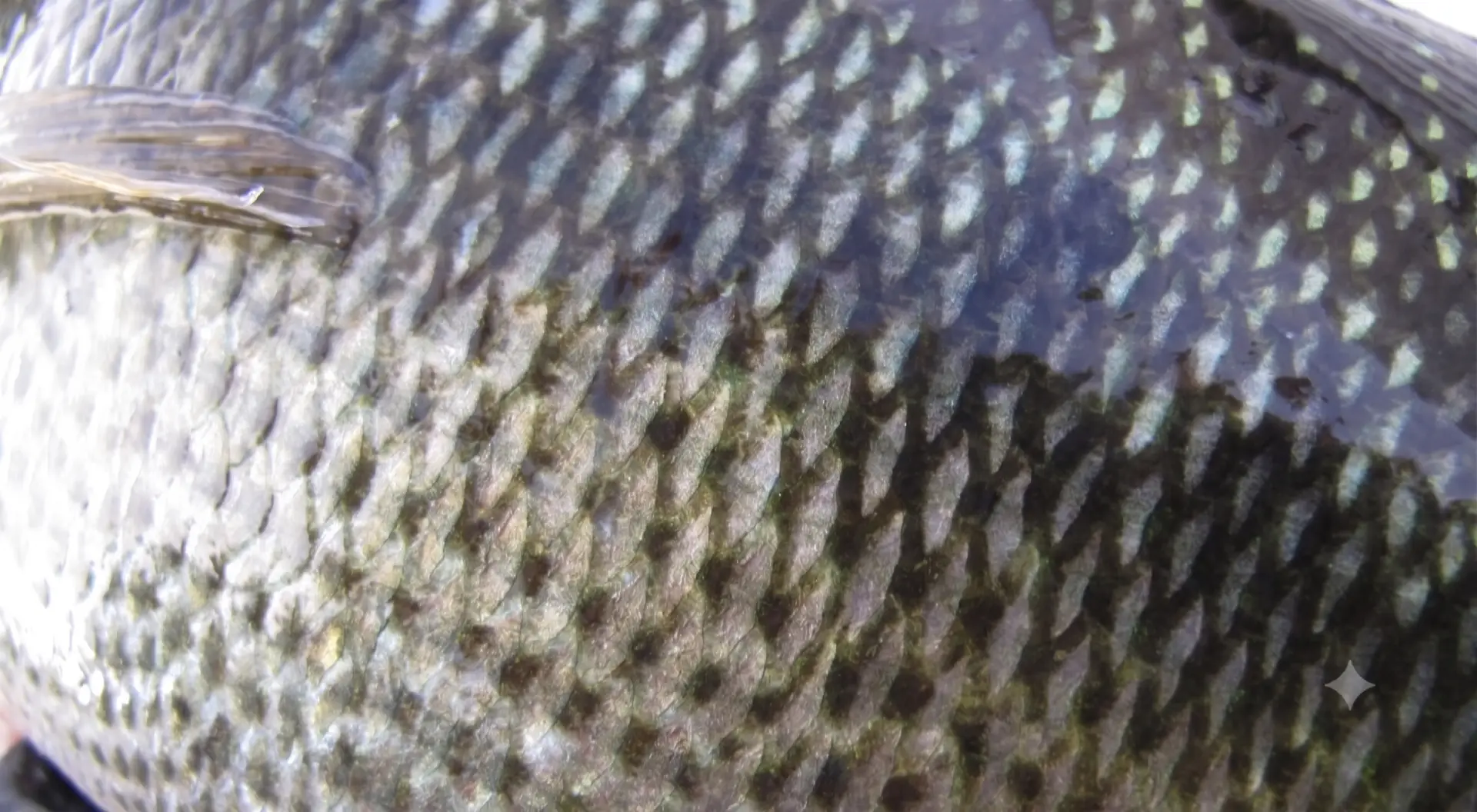
Marine collagen refers to collagen derived from aquatic sources, most commonly fish. Manufacturers typically extract it from fish skin, scales, and bones through a hydrolysis process that breaks collagen into smaller peptides for easier absorption. Common fish species used include cod, salmon, tilapia, and snapper.
Because marine collagen primarily contains Type I collagen, it is frequently associated with skin-focused wellness goals and beauty nutrition. It is commonly marketed to support skin hydration, elasticity, hair and nail appearance, as well as joint and connective tissue maintenance. This growing popularity has contributed to increasing interest in collagen-infused wellness products and evolving beauty food trends in Malaysia.
What Is Fish Scale Collagen?
Fish scale collagen is a more specific category within marine collagen. Instead of being extracted from multiple fish parts, it comes exclusively from fish scales. During production, scales undergo cleaning, demineralisation, and enzymatic hydrolysis to isolate collagen peptides that are suitable for food and supplement applications.
Research suggests fish scales can provide high collagen yields while supporting sustainable manufacturing practices through seafood by-product reuse. Some manufacturers choose fish scale collagen due to its purity profile and environmentally conscious sourcing approach. Certain premium formulations also focus on species-specific ingredients, particularly deep sea cod fish scale collagen commonly found in wellness products.
Fish Scale Collagen vs Marine Collagen: Key Differences
Source of Collagen
The biggest distinction between the two lies in the collagen source. Marine collagen serves as a broad category and may come from fish skin, bones, cartilage, or scales. Fish scale collagen, however, comes only from fish scales.
This means fish scale collagen is technically a subset of marine collagen rather than an entirely separate ingredient category. Understanding this distinction helps consumers make better comparisons when reviewing product labels.
Purity and Processing
Fish scales naturally contain minerals, which means they often undergo a demineralisation process before collagen extraction begins. This additional processing step may contribute to a highly refined collagen peptide ingredient suitable for use in food products and supplements.
Marine collagen sourced from fish skin or bones may contain slightly different peptide compositions depending on species and manufacturing methods. However, overall product quality depends far more on processing standards, purity controls, and formulation quality than simply whether the collagen originates from scales or skin.
Marketing Terminology
One of the main reasons confusion exists is because of branding and marketing language. Many brands use the term “marine collagen” because it sounds broader and more familiar to consumers. Others prefer “fish scale collagen” to emphasise a specific source and potentially position the product as more premium or sustainably sourced.
In reality, fish scale collagen still belongs under the broader marine collagen category. Understanding this can help consumers avoid confusion when comparing similar products marketed differently.
Sustainability Considerations
Fish-derived collagen is often considered environmentally friendly because it repurposes seafood processing by-products that may otherwise be discarded. Fish scales, skin, and bones can all be transformed into valuable nutritional ingredients rather than becoming industrial waste.
For sustainability-conscious consumers, responsibly sourced fish collagen may offer an appealing alternative that aligns with environmental awareness. Increased interest in fish scale collagen in food products also reflects broader discussions around sustainability and functional nutrition.
Is Fish Scale Collagen Better Than Marine Collagen?
There is no universal answer because fish scale collagen is already a type of marine collagen. Instead of focusing only on terminology, consumers may benefit more from evaluating several important factors before making a purchase decision.
When comparing products, it is useful to consider source transparency, manufacturing quality, hydrolysed peptide formulation, dosage consistency, and complementary ingredients such as vitamin C. Many experts suggest these factors play a more important role than whether collagen comes specifically from scales or fish skin.
Ultimately, quality, ingredient transparency, and consistency often matter more than the label itself.
Why Fish Scale Collagen Is Growing in Popularity
Interest in fish-derived collagen continues to grow, particularly in Asian markets where beauty-from-within wellness trends remain strong. Consumers increasingly seek wellness solutions that fit conveniently into everyday lifestyles, contributing to rising demand for collagen beverages, powders, supplements, and ready-to-consume jellies.
This shift also reflects growing awareness around fish scale collagen popularity in Asia, where collagen-based beauty nutrition continues expanding across both premium and mass-market wellness categories.
Common Misunderstandings About Fish Scale Collagen
Several misconceptions still surround collagen terminology. Some consumers mistakenly believe fish scale collagen and marine collagen are completely different ingredients, when in reality one exists within the broader category of the other. Others assume all marine collagen products are identical regardless of sourcing, peptide size, or processing quality.
Understanding these differences can help consumers avoid confusion and make more informed product comparisons. Learning about common collagen misconceptions may also provide clearer expectations regarding collagen sourcing, formulation, and effectiveness.
Choosing The Right Collagen Product
Rather than focusing exclusively on labels, consumers should prioritise products that provide transparent sourcing information, ingredient clarity, and clear manufacturing standards. Whether choosing fish scale collagen or a broader marine collagen product, overall quality and formulation consistency remain important considerations.
For those researching collagen products in Malaysia, reviewing sourcing details, dosage information, and brand transparency can help narrow down suitable options aligned with personal wellness goals.
Conclusion
Fish scale collagen and marine collagen are closely related but not exactly the same. Marine collagen refers broadly to collagen sourced from marine life, while fish scale collagen specifically comes from fish scales.
When deciding between the two, the more useful question is not which label sounds better, but which product offers transparent sourcing, reliable manufacturing standards, and a formulation that best supports your health and wellness priorities.
