
In recent years, Asia has witnessed a major transformation in how consumers approach beauty and wellness. Rather than relying solely on skincare creams, cosmetics, and salon treatments, many people are turning toward nutrition-based beauty solutions that work from within. This shift has contributed significantly to the increasing popularity of beauty food products in Asia, creating a thriving industry that blends wellness, nutrition, and beauty into everyday lifestyles.
From collagen drinks in Japan to herbal beauty supplements in Korea and jelly-based skincare nutrition in Malaysia, beauty-focused consumables are becoming a normal part of daily routines. As consumer awareness grows, the beauty food category continues expanding across markets, driven by changing habits, social influence, convenience, and scientific innovation.
Understanding The Rise Of Beauty Foods
Beauty foods are edible products designed to support skin, hair, nails, and overall wellness through nutritional ingredients. Unlike traditional skincare products applied externally, beauty foods focus on nourishing the body internally with nutrients believed to contribute to healthier-looking skin and improved beauty outcomes.
Today, many consumers seek alternatives that align with preventive wellness rather than reactive treatments. Instead of addressing beauty concerns after they appear, people increasingly adopt proactive habits that support long-term health and appearance.
This growing interest has fueled demand for products enriched with collagen, antioxidants, vitamins, probiotics, hyaluronic acid, and plant-based nutrients. Across Asia, these ingredients are commonly incorporated into drinks, powders, gummies, and functional snacks.
Consumers are no longer viewing beauty as only a cosmetic matter. Instead, beauty is increasingly associated with nutrition, healthy lifestyles, and internal balance. The rising popularity of marine collagen jelly reflects this shift toward beauty-from-within solutions that support daily wellness and self-care routines.
Why Asia Leads The Beauty Food Movement
Asia has become one of the strongest markets for beauty-focused nutrition products due to several cultural and lifestyle factors.
For decades, countries like Japan, South Korea, and China have embraced traditions connecting food with health and appearance. Herbal soups, collagen-rich broths, medicinal ingredients, and nutritional tonics have long been associated with maintaining youthful skin and vitality.
As modern wellness trends evolved, beauty supplements became a natural extension of these practices.
Japanese consumers, for example, have been early adopters of collagen beverages and functional foods targeting beauty enhancement. South Korea’s beauty industry, widely recognized for innovation, expanded beauty concepts beyond skincare into ingestible nutrition. Meanwhile, China has experienced rapid growth in wellness products among younger consumers seeking premium beauty solutions.
Southeast Asia is also quickly embracing this shift. Markets such as Malaysia, Singapore, Thailand, and Indonesia are seeing increased interest in beauty nutrition products that are easy to consume and fit busy lifestyles.
This regional demand continues to shape product development, packaging, and marketing strategies.
The Growing Influence Of Collagen-Based Beauty Products
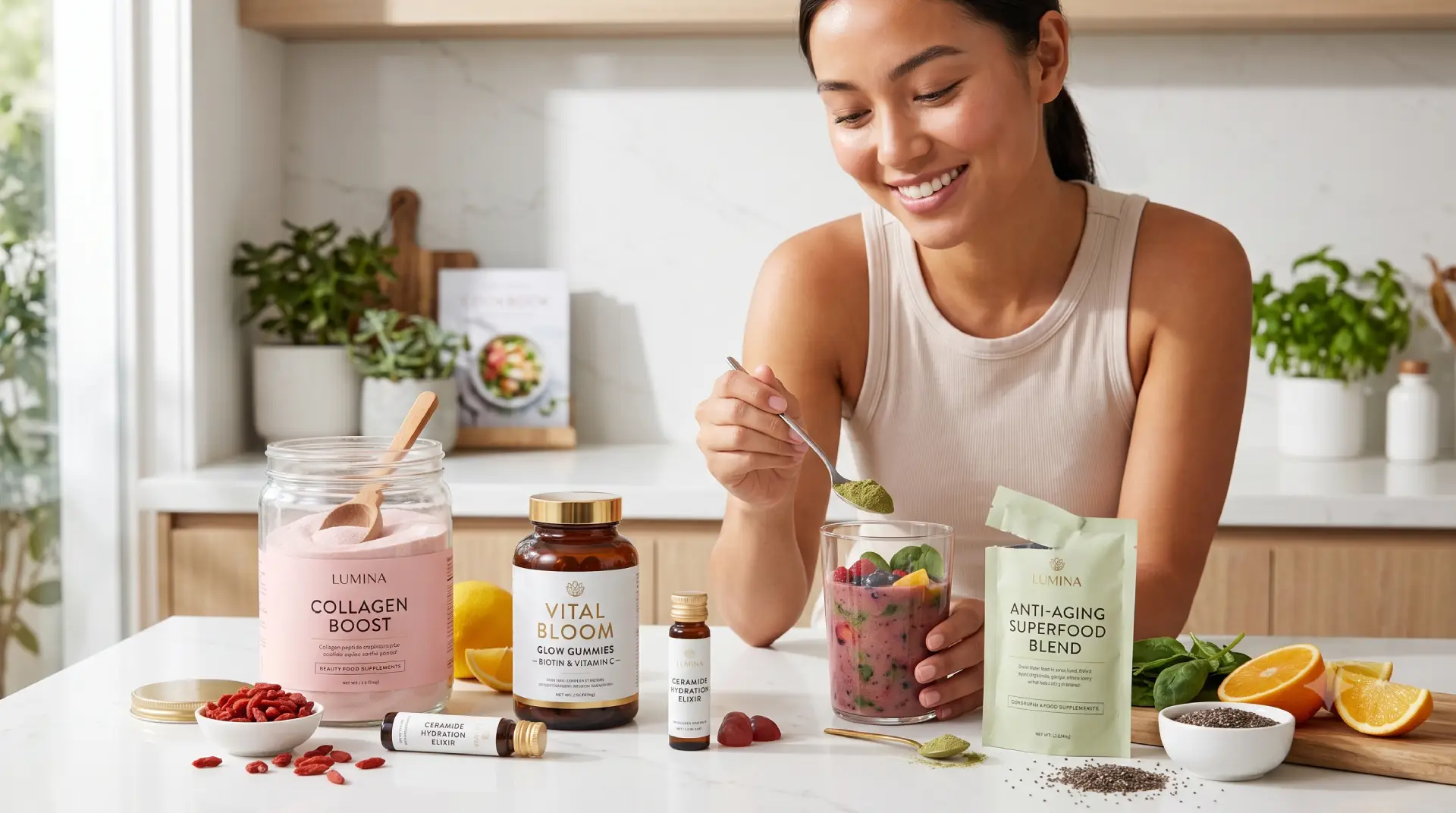
One major driver behind the expansion of beauty foods is collagen.
Collagen is a naturally occurring protein found in the body and is commonly associated with skin elasticity, hydration, and structural support. As consumers become more familiar with wellness products, collagen supplements have gained substantial mainstream attention.
The increasing collagen popularity in Asia can be attributed to stronger beauty awareness, influencer marketing, improved product accessibility, and consumer demand for convenient wellness routines.
Marine collagen, especially fish-derived collagen, has become particularly popular in many Asian countries because of perceived absorption benefits and compatibility with regional dietary preferences. Beauty brands continue introducing collagen in multiple formats, including powders, beverages, capsules, and ready-to-eat products.
Consumers appreciate having options that fit their daily routines without requiring complicated preparation.
Convenience Is Changing Consumer Habits
Modern lifestyles have significantly influenced purchasing behavior.
Busy work schedules, urban living, and increased health awareness have created stronger demand for products that are portable, quick to consume, and easy to integrate into daily life. This has accelerated the rise of convenient beauty food products that offer wellness support without disrupting routines.
Rather than preparing complex supplements or following lengthy skincare rituals, consumers often prefer ready-to-consume formats they can take to work, during travel, or between meals.
Popular formats now include:
- Ready-to-drink collagen beverages
- Jelly supplements
- Beauty gummies
- Functional snack bars
- Powder sachets for quick mixing
These products are particularly appealing to younger consumers who value accessibility, portability, and efficiency.
The convenience factor has also encouraged repeat consumption, helping brands establish stronger customer loyalty and recurring purchasing habits.
Social Media And Beauty Culture Influence
The beauty industry in Asia is heavily influenced by digital culture.
Social media platforms have transformed how consumers discover products, learn about ingredients, and evaluate trends. Beauty influencers, skincare creators, and wellness advocates regularly discuss ingestible beauty routines, helping beauty foods gain mainstream visibility.
Short-form videos demonstrating daily collagen routines or beauty supplement recommendations often influence purchasing decisions. Consumers are increasingly motivated by relatable experiences, before-and-after testimonials, and educational content explaining beauty ingredients.
This digital exposure has accelerated product awareness among younger audiences, especially Millennials and Gen Z consumers who prioritize wellness-driven lifestyles.
As awareness increases, many consumers actively search for information about beauty food products, seeking products that align with their personal beauty goals and nutritional preferences.
Malaysia’s Expanding Beauty Food Industry
Malaysia is becoming an increasingly important market for ingestible beauty solutions.
Rising wellness awareness, increased disposable income, and stronger digital influence are encouraging more Malaysians to explore beauty-focused nutrition products. Consumers are becoming more selective, prioritizing ingredients, convenience, and trusted formulations.
Current beauty food trends in Malaysia show growing interest in collagen jellies, marine collagen drinks, antioxidant supplements, and functional snacks designed to support skin wellness.
The demand is especially strong among working adults seeking simple wellness routines that fit into fast-paced schedules. Many consumers are drawn to products that require little preparation while supporting beauty and overall health goals.
Halal-certified formulations also play a major role in Malaysia’s market development, as consumers increasingly seek products aligned with dietary preferences and quality standards.
Innovation Is Driving Product Development
Competition within the beauty food industry has encouraged significant innovation.
Brands are constantly improving ingredients, formulations, taste, and packaging to meet changing consumer expectations. Early beauty supplements often focused only on collagen, but newer formulations now combine multiple wellness ingredients for broader benefits.
Many products now feature ingredients such as:
- Vitamin C for antioxidant support
- Hyaluronic acid for hydration-related beauty benefits
- Biotin for hair and nail support
- Probiotics for gut wellness
- Botanical extracts for additional nutritional value
Manufacturers are also paying greater attention to taste and texture, recognizing that consumers are more likely to continue products they genuinely enjoy consuming.
Jelly formats, fruit-flavored beverages, and snack-style supplements continue growing in popularity because they feel less like traditional supplements and more like enjoyable daily treats.
The Future Of Beauty Foods In Asia
Industry experts expect continued beauty food market growth throughout Asia in the coming years.
Several factors are likely to drive this expansion, including increasing health consciousness, stronger wellness education, aging populations, and greater acceptance of preventive self-care routines.
Consumers are becoming more knowledgeable about ingredients and more interested in long-term wellness strategies. Rather than purchasing products solely based on advertising claims, many buyers now research nutritional value, sourcing, and product transparency before making decisions.
Technology and research may also play a bigger role in product personalization. Future beauty foods could become more tailored to individual skin concerns, dietary preferences, and lifestyle needs.
As the industry evolves, companies that combine convenience, quality, scientific backing, and enjoyable consumption experiences are likely to remain competitive.
Conclusion
The rise of beauty foods in Asia reflects a larger shift in how consumers think about beauty, health, and wellness. Instead of focusing only on external skincare products, many people are adopting holistic routines that support beauty from within.
Cultural familiarity with wellness traditions, growing collagen awareness, social media influence, and lifestyle convenience have all contributed to the expanding market. Countries across Asia continue embracing beauty-focused nutrition, while emerging markets such as Malaysia show strong growth potential.
As innovation continues and consumers become more wellness-conscious, beauty foods are expected to remain an important part of modern self-care habits for years to come. Consumers exploring collagen-based wellness options can also learn more about premium marine collagen products such as fish scale jelly in Malaysia, which is available online and in selected retail stores, reflecting the growing demand for convenient beauty nutrition solutions in Asia.
