
The way Malaysians approach beauty and wellness has evolved significantly over the last decade. Traditional beauty routines once focused heavily on skincare products, cosmetics, and salon treatments. Today, however, consumers are increasingly adopting a more holistic approach to beauty, one that combines external care with nutritional support from within.
This shift has led to growing interest in beauty foods, supplements, and functional wellness products that promise benefits for skin, hair, nails, and overall vitality. As consumers become more health-conscious and informed, Malaysia’s beauty food industry continues to expand, shaped by changing lifestyles, social influence, and demand for convenience.
The Rise of Beauty-From-Within Culture
Modern consumers are no longer viewing beauty solely as skin-deep. Instead, many Malaysians now see appearance as closely linked to nutrition, hydration, sleep quality, and overall wellness. This mindset shift has helped increase awareness of beauty food products, especially among younger consumers and working professionals.
The popularity of wellness content on social media platforms such as TikTok, Instagram, and YouTube has also contributed to growing consumer curiosity. Beauty influencers frequently discuss collagen intake, antioxidant-rich diets, probiotics, and nutritional routines that complement skincare regimens.
Consumers are becoming more educated about ingredients and are actively researching how nutrition may contribute to skin elasticity, hydration, and healthy aging. This growing awareness has transformed beauty food from a niche category into an increasingly mainstream wellness habit.
Convenience Shapes Purchasing Decisions
One of the biggest drivers of consumer behavior in Malaysia’s beauty food segment is convenience. Busy work schedules, commuting, and fast-paced lifestyles mean consumers increasingly prefer products that are quick and easy to consume.
This trend has contributed to the rise of ready-to-consume wellness formats, especially drinkable products, powders, gummies, and jelly-based supplements. Many consumers appreciate solutions that can easily fit into their daily routine without requiring complicated preparation.
As a result, brands are responding to the increasing convenient beauty food demand by creating portable packaging, single-serving sachets, and ready-to-eat formats that suit modern lifestyles. Products that balance effectiveness with practicality often attract repeat buyers.
Convenience also plays an important role in product consistency. Consumers are more likely to maintain wellness habits when products are simple to incorporate into daily schedules.
The Growing Preference for Jelly-Based Formats
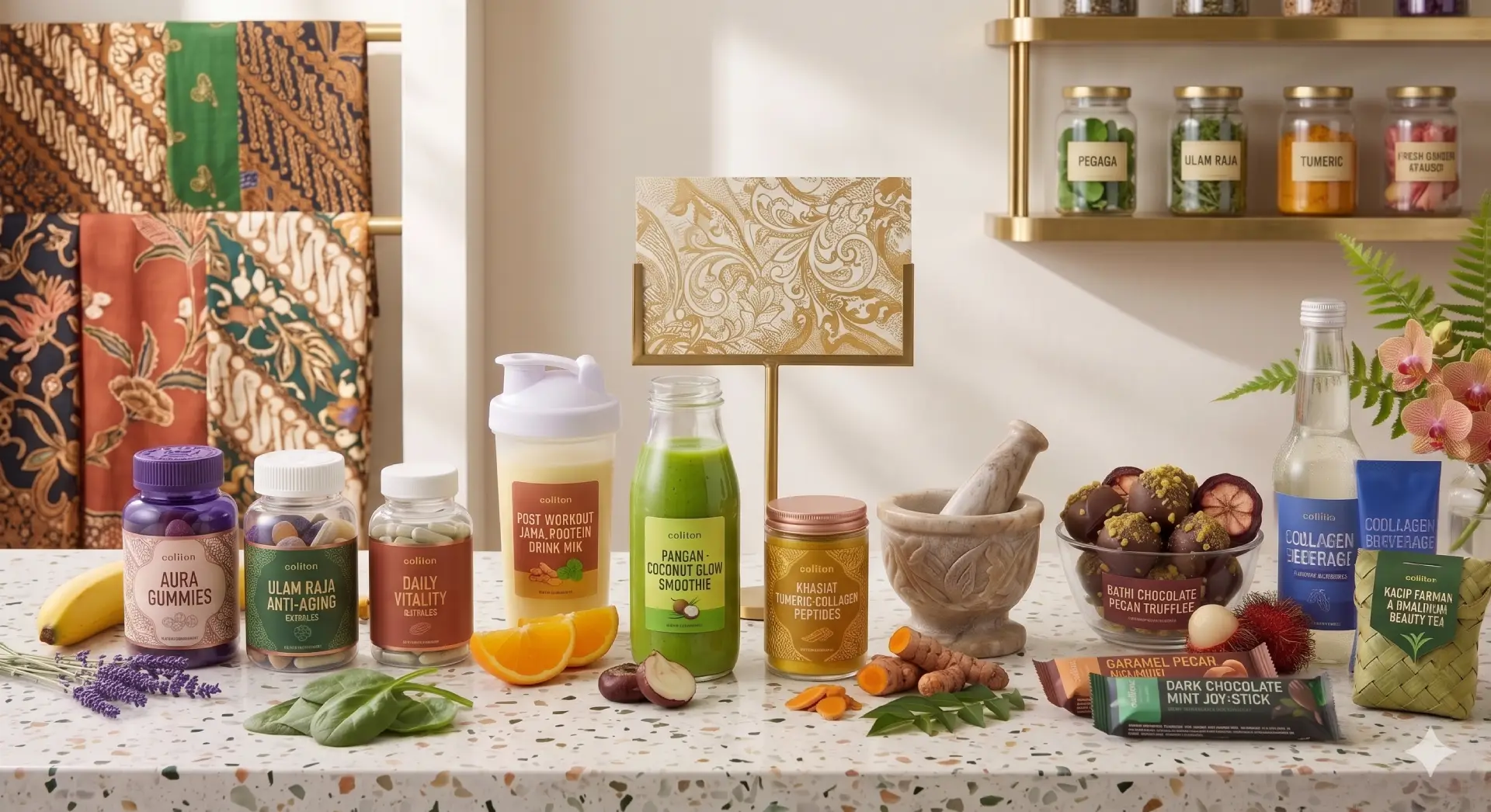
Among emerging product formats, jelly-based beauty foods have gained notable popularity. Compared to traditional tablets or capsules, many consumers perceive jelly products as easier to consume and more enjoyable.
Taste and texture play an important role in purchasing decisions, especially for younger demographics who prefer wellness products that feel less medicinal. For many users, enjoyable consumption increases consistency and long-term commitment to beauty routines.
This shift has contributed to increasing interest in jelly-based food preferences, particularly among urban consumers looking for convenient wellness solutions. Portable jelly sachets are especially appealing because they can be consumed at home, in the office, or while travelling.
The growing preference for alternative supplement formats reflects a wider consumer trend toward wellness experiences that feel simple, enjoyable, and accessible.
Increased Awareness of Collagen-Based Beauty Foods
Collagen remains one of the most recognised ingredients in Malaysia’s beauty food market. Consumers often associate collagen intake with skin hydration, elasticity, and anti-aging support, although purchasing motivations can vary widely.
Many Malaysians are also becoming more selective about collagen sources. Fish-derived collagen, in particular, has attracted growing interest due to perceptions of higher absorption and compatibility with beauty-focused nutritional goals.
As awareness increases, more consumers are researching fish scale collagen products in Malaysia to better understand different formulations, ingredient quality, and delivery formats available in the market.
The popularity of collagen-based beauty foods also reflects broader consumer behavior: buyers increasingly want products backed by ingredient transparency, science-based claims, and clear nutritional benefits.
Health-Conscious Consumers Are Reading Labels More Carefully
Today’s beauty food consumers are becoming far more informed than previous generations. Rather than purchasing products solely based on advertising claims, many consumers now examine ingredient lists, sugar levels, calorie content, and nutritional composition before buying.
There is growing interest in products with:
- Lower sugar content
- Cleaner ingredient labels
- Natural flavors or extracts
- Functional ingredients with nutritional value
- Clear sourcing information
Transparency has become an important factor influencing consumer trust. Brands that communicate clearly about ingredients, manufacturing standards, and product benefits often build stronger credibility among Malaysian buyers.
This trend also aligns with increasing wellness awareness, where beauty is seen as part of broader health maintenance rather than an isolated cosmetic goal.
Social Media and Influencer Impact
Social media continues to shape consumer behavior in powerful ways. Viral wellness routines, beauty supplement reviews, and before-and-after transformations often drive curiosity around beauty food products.
Consumers are particularly influenced by relatable content creators who share personal wellness experiences and daily routines. Recommendations from influencers often encourage trial purchases, especially among younger audiences.
However, Malaysian consumers are also becoming more cautious and discerning. While social proof remains important, buyers increasingly seek product reviews, ingredient verification, and realistic expectations before committing to long-term purchases.
This has pushed beauty food brands to focus more on education and transparency rather than relying solely on marketing hype.
Local Market Growth and Future Potential
Malaysia’s beauty food segment shows strong growth potential as wellness awareness continues expanding. Rising disposable income, increased digital shopping adoption, and changing consumer priorities all contribute to category expansion.
The broader beauty food market growth reflects shifting attitudes toward preventive wellness and self-care. Rather than waiting for visible concerns to appear, many consumers are investing in products they believe may help maintain long-term beauty and wellbeing.
Digital commerce platforms have also accelerated product accessibility. Consumers can now compare ingredients, reviews, and product types online before making informed purchasing decisions.
Additionally, local and regional brands are increasingly adapting products to suit Malaysian preferences, including halal-friendly formulations, portable packaging, and flavor profiles that appeal to local tastes.
Understanding Beauty Food Trends in Malaysia
When analysing current consumer behaviour, one clear pattern emerges: Malaysian buyers increasingly value products that combine wellness, convenience, and enjoyable consumption experiences. Rather than relying only on traditional skincare, many consumers now embrace beauty routines that integrate nutrition and lifestyle support.
The evolution of beauty food trends in Malaysia highlights a growing preference for practical wellness products that fit seamlessly into modern life. Convenience, ingredient transparency, product format, and nutritional awareness are becoming major purchasing considerations.
As consumers continue seeking beauty solutions that align with healthier lifestyles, the beauty food industry is expected to keep evolving through product innovation, personalised wellness options, and functional nutrition.
Conclusion
Malaysia’s beauty food segment reflects broader shifts in consumer priorities. Beauty is increasingly connected to overall wellness, nutrition, and daily lifestyle habits rather than external products alone.
Convenient consumption, collagen awareness, enjoyable product formats, and stronger health consciousness are all shaping purchasing decisions. Consumers are becoming more informed, selective, and focused on products that align with both wellness goals and busy schedules.
As demand continues growing, brands that prioritise convenience, transparency, and quality are likely to remain competitive in a rapidly evolving market. For businesses operating within this space, understanding changing consumer behaviour will be essential for long-term success.
